The benefits of orthodontic treatment will last a lifetime if you keep these important patient responsibilities in mind:
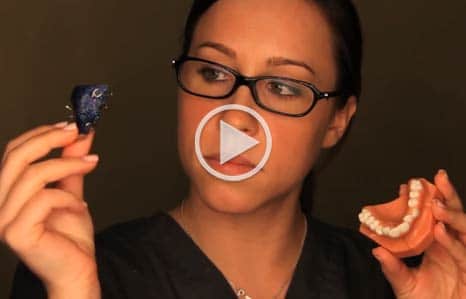
Removable Retainers
Once orthodontic appliances are removed, the patient will receive retainers to maintain their dental correction. Because the bone and gums surrounding the teeth continue stabilizing for several months after active treatment is finished, it is imperative that the retainers are worn as instructed. Failure to wear the retainers may result in undesirable movement of the teeth, which could necessitate re-treatment.
How Retainers are Worn
Because teeth can continue to move throughout life, we recommend that individuals who have undergone orthodontic treatment should wear retainers indefinitely, or for as long as they wish to guarantee that their teeth will stay where we left off. Unless otherwise instructed, our typical protocol is to wear retainers for 8-10 hours a night, coinciding with a regular sleep schedule.
We also follow-up with free retainer check appointments for life. At these visits Dr. Tom or Dr. Ferlito will assess the fit of the retainers and provide guidance for proper wear. They might also recommend updating x-rays to check on the development of the wisdom teeth and can provide a referral to an oral surgeon if necessary for removal.
How to Care for Retainers
- Retainers are made of a thermoplastic material that is sensitive to excessive heat, so they should be kept away from heaters, hot water, dishwashers, car dashboards, or any place where high temperatures could cause them to distort
- Retainers should be kept in the proper retainer case when they are not in the patient’s mouth. As they are transparent, storage outside of the case can quickly result in lost retainers
- Keep retainers away from pets, especially dogs, as they love to make them their newest chew toy!
- Clean before and after placement in the mouth as plaque tends to cling to the surfaces. Gentle scrubbing with a toothbrush and a mild liquid soap will remove the plaque.
- Denture cleaning solutions, such as Efferdent, can also aid in removing stains and buildup. Be sure to rinse the retainers thoroughly after cleaning to remove any cleaner residue
Because retainers are worn for years, they do eventually wear out and will need periodic replacement. Your original treatment contract includes one set of retainers after the braces are removed. If the retainers are lost or damaged due to neglect, there will be a charge for replacement. If the retainers become loose or break, contact our office immediately so that we can get you a new pair before anything moves.
Fixed Retainers (Bonded Lingual Wire)
Fixed retainers are not currently recommended by Dr. Tom or Dr. Ferlito (except in very rare circumstances) as they have been shown to cause bone loss and gum recession due to difficulty for both patients and dental hygienists to properly clean the area around them. Because they involve a wire bonded to the teeth, any distortion or break in the wire can also cause teeth to move in undesirable ways, many times before the patient even realizes there’s an issue. Removable retainers work just as well as fixed retainers but do not carry the additional risks described above.
Habits or Conditions that Additional Retainer Dedication
Some habits or conditions put pressure on the teeth and can cause them to move much like braces and wires would. These circumstances require more dedicated retainer wear to ensure that the teeth stay in place following treatment. Things to look out for include:
- Mouth breathing
- Clenching and/or grinding of teeth (muscle hyperactivity)
- Tongue thrusting, low or abnormal tongue posture
- Playing a musical instruments with a reed
- Lip sucking
- Pen or pencil biting
- Spacing between the teeth prior to treatment
- Severely rotated teeth prior to treatment
Our goal is to help your smile stay beautiful and healthy for a lifetime. Your cooperation is essential in order to achieve this goal.
Dental Examinations and Cleanings after Treatment
Each patient should continue proper oral hygiene procedures at home, including thorough brushing and flossing techniques morning and night. Their family dentist should see them at least every six months for regular cleaning and dental examinations.